Job Search
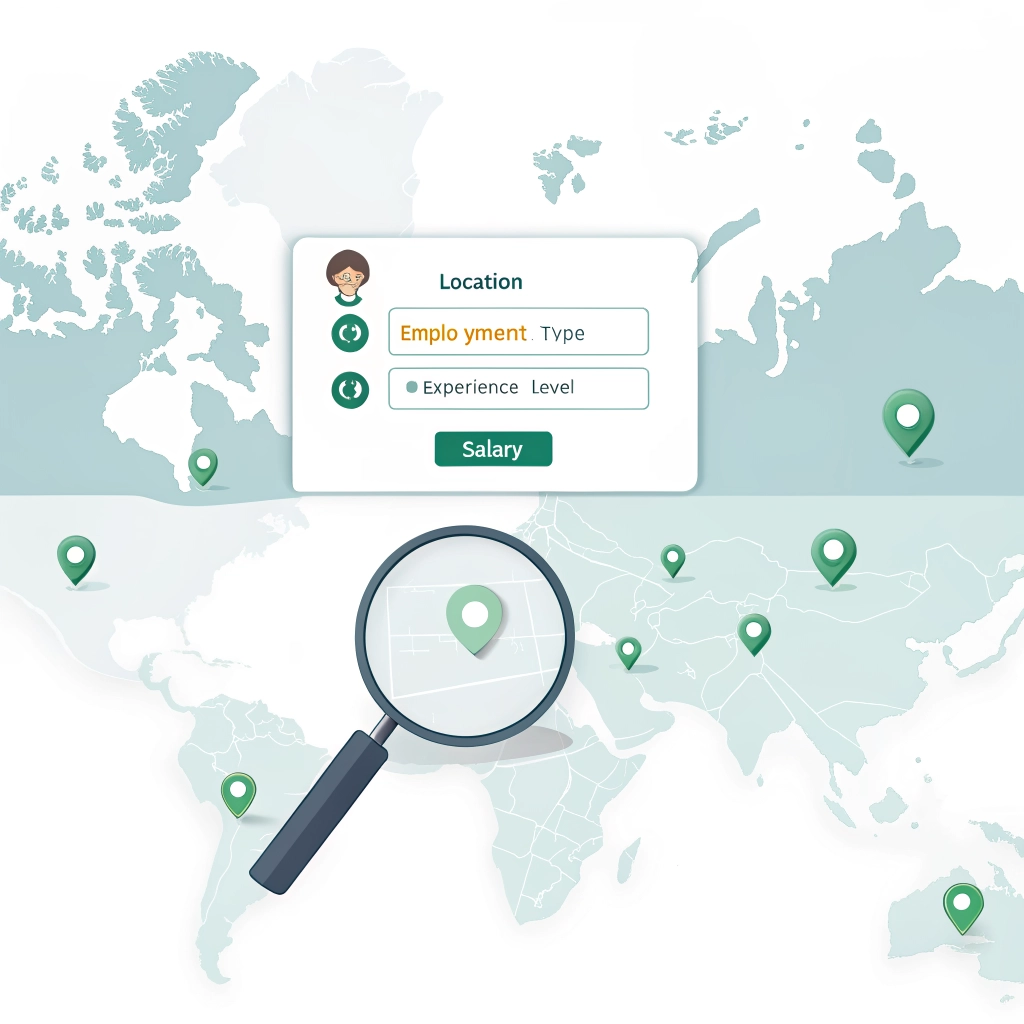
JobHuntix lets you search for jobs using multiple parameters at once: position, industry, region, experience level, and employment type (on-site, remote, hybrid, part-time). Filters narrow down the results based on all selected criteria at once, rather than one after another as on most job boards.
For searches across multiple countries, separate filters are available for country and the type of visa sponsorship offered by the employer (where this information is provided in the job listing). This is especially useful if you’re considering jobs in Germany or Europe in general: resume requirements and the application process vary from country to country, and the filter helps you find positions where the application format fits your needs.
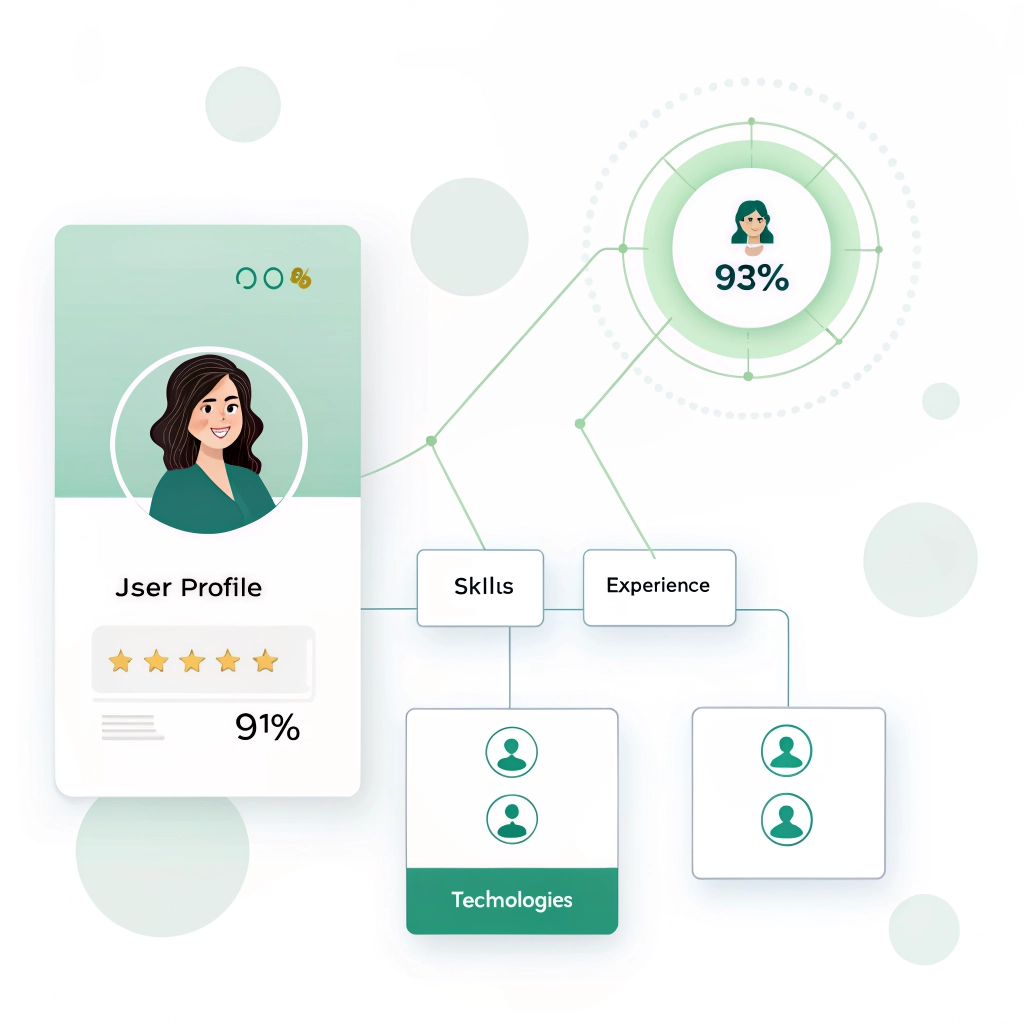
Job listings are sorted by relevance to your profile, not just by publication date — a fresh but irrelevant job won’t rank above an older position that is a better match.
Job Matching
In addition to manual search, the service creates a personalized selection of jobs based on your profile and resume data: position, experience, region, and your employment preferences. The more complete your profile, the more accurate the recommendations. If key information is missing, such as your experience level or region, the recommendations will be more general.
Your recommendations are updated as new relevant jobs are added to the database — you don’t need to manually restart your search to check whether something new has appeared.
Resume Builder
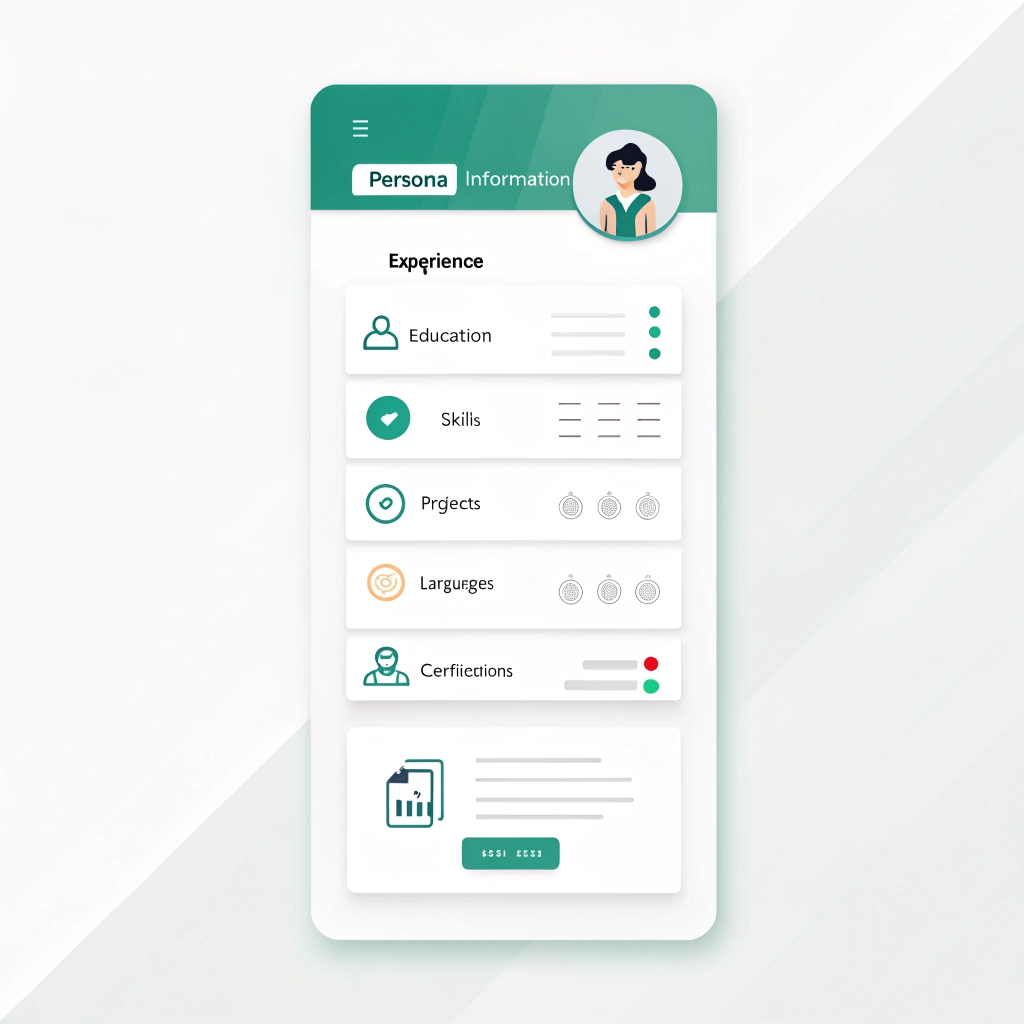
The resume builder follows a structure commonly used by employers during the initial screening process: contact information, experience, skills, education, and achievements. Templates vary by industry and experience level, and the resume is built section by section, so you don’t have to figure out the structure yourself.
If you already have a resume, you can upload it and continue editing it in the builder — there’s no need to start from scratch.
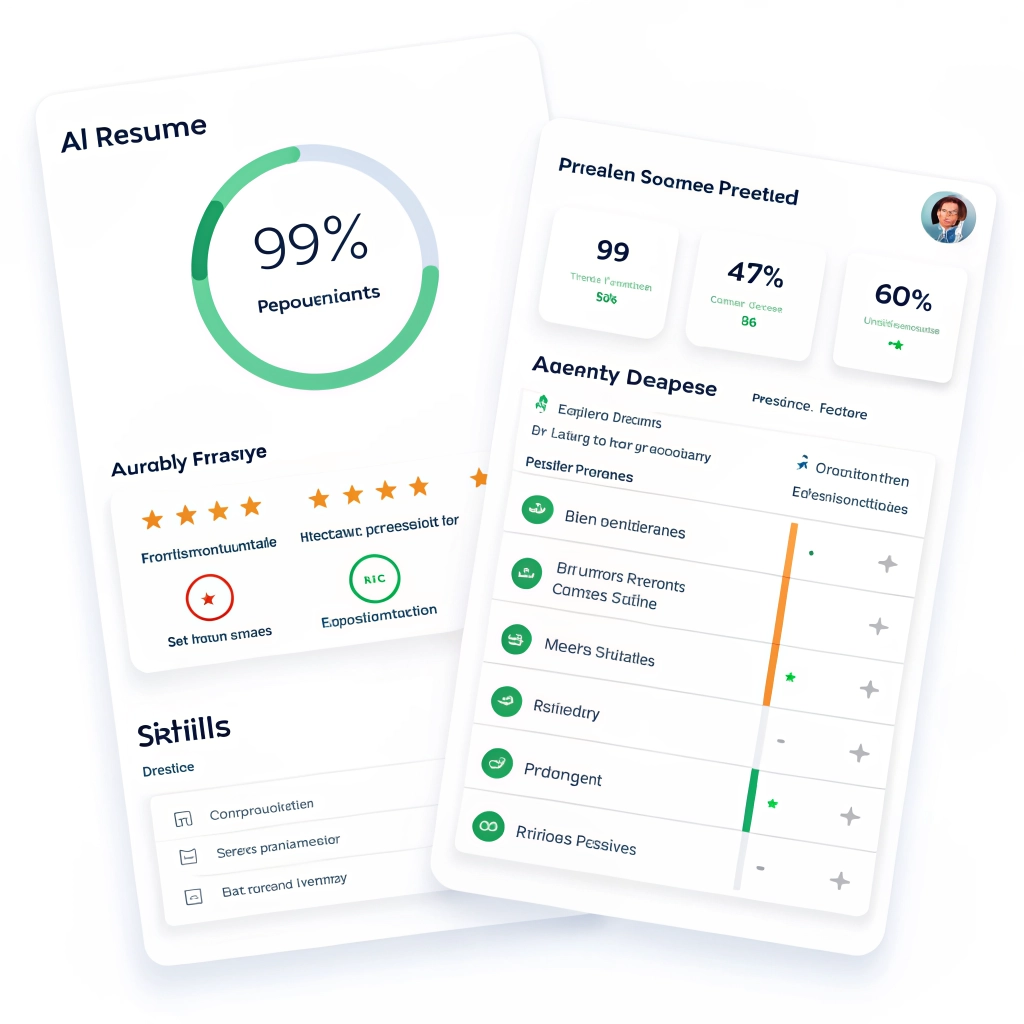
Resume Analysis
Resume analysis checks three things: whether all key sections are completed, how clearly your experience is presented, and how well your resume matches the requirements of a specific job if you include one for the analysis. The result is a concrete list of things you can improve, such as a missing achievements section or wording that doesn’t align with the requirements of the position.
You can run the analysis when creating your resume for the first time or before applying to a specific job — the match is recalculated for each position.
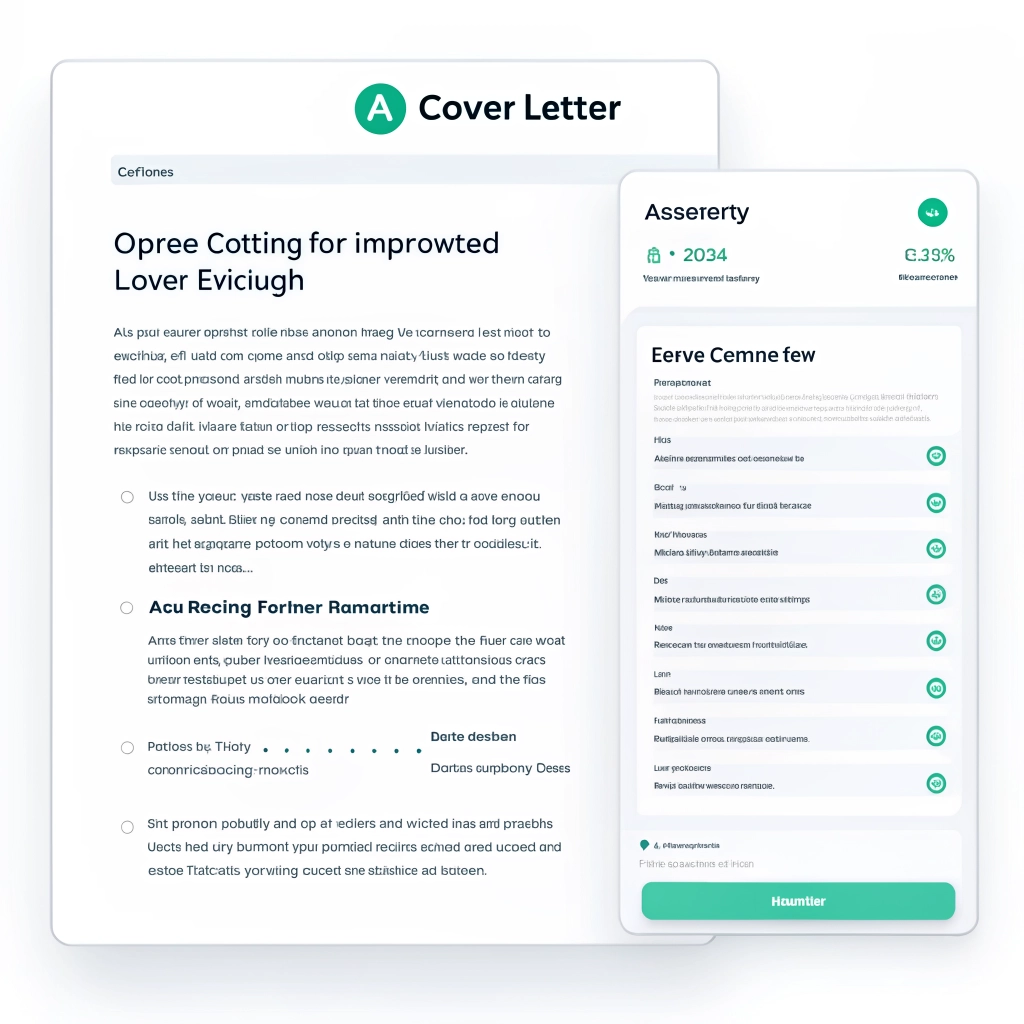
Cover Letter
The cover letter is generated based on your resume and the details of a specific job — there’s no need to write one from scratch for every application. You can edit the letter before sending it: the service provides a draft that takes the job requirements into account, while you choose the final wording.
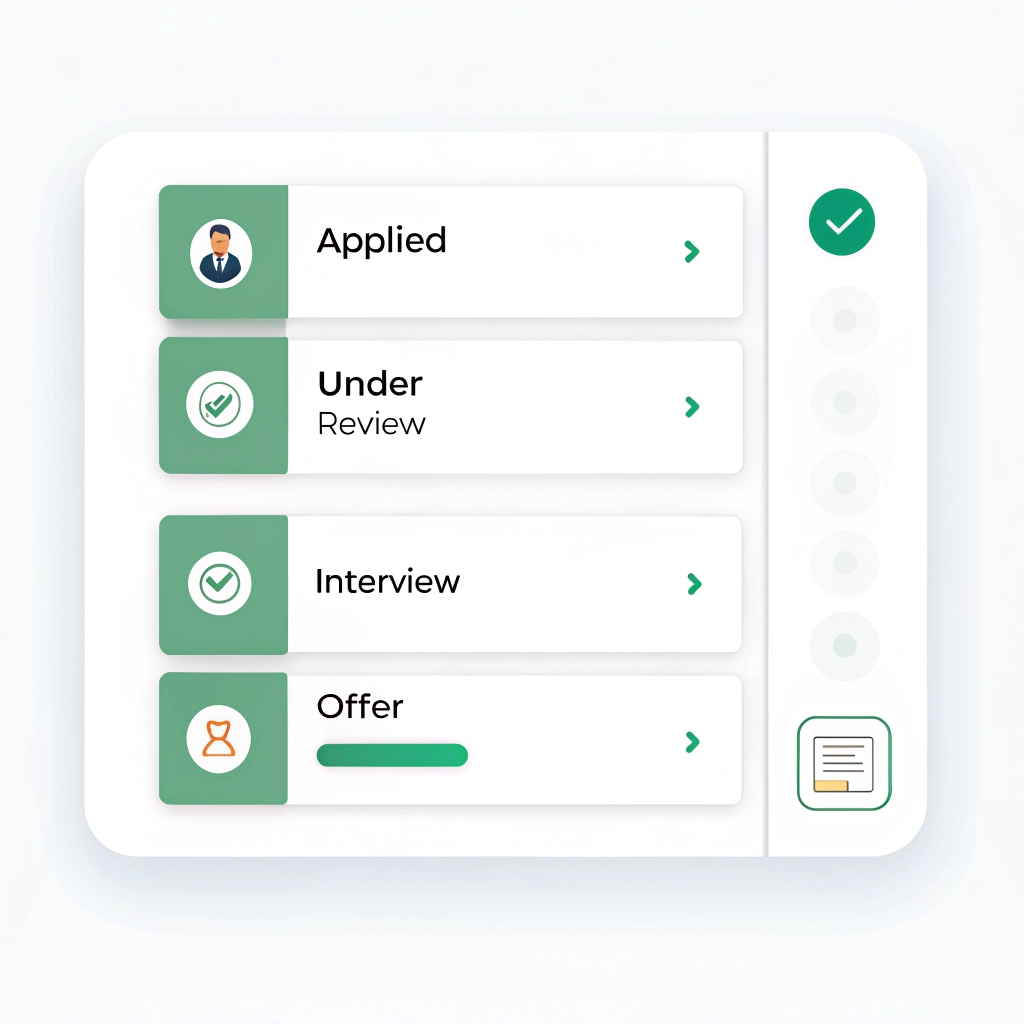
Application Tracking
All your applications are collected in one list with statuses such as: sent, under review, interview invitation, and rejected. This replaces manual tracking through email, notes, or a separate spreadsheet — you don’t have to remember where and when you applied or what response you received.
You can view applications for each job separately to see the full application history, from the submission date to the current status.
Automating Routine Tasks
Applying for jobs often involves repeating the same actions — filling out identical fields, updating application statuses, or submitting your resume again. JobHuntix automates some of these steps using the information in your profile, so you can spend more time preparing for interviews instead of dealing with the technical side of applying.
This does not replace your decisions for each job — you decide what to review, where to apply, and which offer to accept.